

What Is Anxiety? Understanding Symptoms, Causes & How to Break the Anxiety Cycle
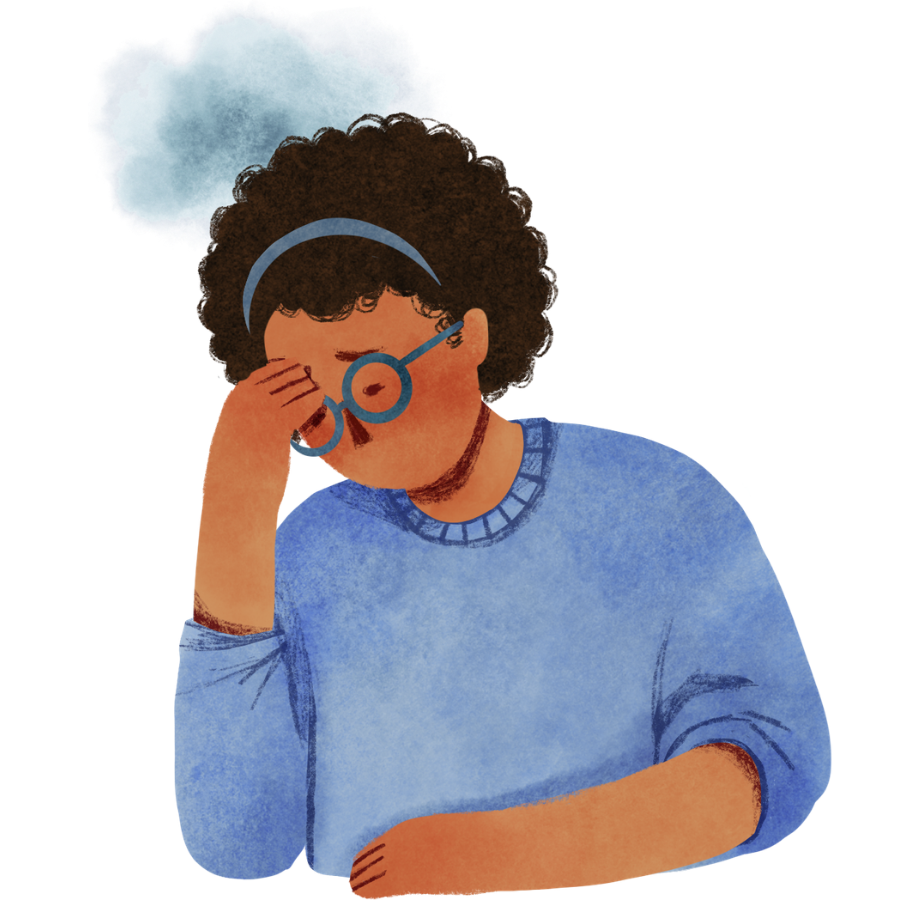
Anxiety is a term we hear often – in the media, in conversation, and in everyday language; however, it’s often used incorrectly.
There is a common belief that anxiety can be cured by simply “getting over it,” talking it out, or waiting for it to pass as a phase. In reality, anxiety is often more complex.
Anxiety usually develops when you’re a child or teenager and grows into thoughts, emotions and behaviors that are not helpful. This makes anxiety seem larger and louder than it is and requires intentional time, strategies, structure and consistency. In short, anxiety cannot just be “fixed” quickly.
At its core, anxiety is also a natural part of being human. Anxiety is a response to uncertainty, fear and unfamiliar situations that everyone experiences to some degree. In moderation, anxiety can even be helpful, as it prepares us for challenges, keeps us alert, allows us to think ahead and empathize with others.
However, anxiety becomes a concern when it becomes overwhelming, persistent, or intrusive in your everyday life. If worries and fear control your daily life, this is when anxiety becomes complex and where additional support is needed.
What is Anxiety
Anxiety is an excessive fear or worry that interferes with daily life. It can affect thoughts, emotions, physical sensations, and behaviour.
There are several common forms of anxiety, including:
Generalized Anxiety: Persistent worry about everyday situations, where there’s a sense of unease even in safe environments.
Panic Attacks: Sudden, intense episodes of fear that may include shortness of breath, dizziness, or a racing heart.
Social Anxiety: A strong fear of social or public situations, which can make everyday interactions feel overwhelming.
Separation Anxiety: Excessive fear about being apart from loved ones, sometimes leading to unhealthy dependence.
These versions of anxiety are not just in your head, as it activates the body’s “fight or flight system”. In moderation, this makes you practice for a presentation or think twice before crossing the street as thoughts and emotions feel physical. However, if your body is constantly in “fight or flight” it can lead to symptoms such as fatigue, tension, and difficulty concentrating when you are in a safe environment.
Anxiety can also look different for everyone based on your biology, past experiences, and environment. For example, prolonged stress, difficult life events, or major transitions, like starting school or a new job, can make anxiety prominent.
Most importantly, know that anxiety is common as about 359 million people are affected by it; especially after the pandemic. Many people face barriers such as not being aware of the problem, facing stigma regarding mental health or not just not having access to mental health resources that work for them. If fear, worry or concerns are draining you and halting your daily life, know that you’re not alone. With the proper toolkit and support, you can make anxiety work for you – not against you.
The Anxiety Cycle
Anxiety often persists through a self-reinforcing cycle involving thoughts, emotions, physical reactions, and behaviours.
Thoughts
Anxious thoughts often involve worst-case scenarios or negative assumptions, such as “Something will go wrong” or “I can’t handle this”, and are often not real concerns.
These patterns – known as cognitive distortions – can include assuming the worst will happen (catastrophizing), believing the situation is “all or nothing” (black-and-white thinking), or assuming what others think about us (mind-reading).
Unless challenged, these thoughts will make a situation more difficult to manage, as your mind is feeding you a story that does not exist.
Emotions
Negative thoughts then trigger emotional responses like fear, unease, and persistent worry for the situation. Over time, these emotions can become constant and difficult to manage, making the negative thoughts louder and your body more tense.
This fear can become overwhelming that it can stop you from sleeping, prevent concentration, cause intrusive traumatic memories or trigger a panic attack.
Physical Symptoms
When your mind is filled with negative thoughts and emotions, your body believes it is in danger. In response, it activates its “fight or flight” mode which comes with symptoms such as a racing heart, dizziness, sweating, or shortness of breath.
This is the body’s natural stress response, but without a way to release the stress – your body will feel like it's in constant danger which has negative effects on the body in the long term.
Avoidance
To manage the thoughts, emotions, and physical sensations, people may begin avoiding situations that trigger anxiety, which can include skipping social events or hesitating to take action on something important. While comforting in the moment, it ultimately reinforces the anxiety cycle making the situation more fearful and overwhelming.
This avoidance often stems from the anxiety cycle’s tendency to create a belief – without clear evidence – that a situation is dangerous. However, it’s often inaccurate and can be interrupted.
It’s also important to know that anxiety cannot be completely “cured”, as it’s a natural part of being human.
The goal is to understand when anxiety is helpful to you and when it’s stopping you from living an independent, safe and healthy life. While difficult to decide this in the moment, with practice, you can develop the skills to know when anxiety is helpful and when it is not.
Practical tips for anxiety: practicing the C’s
Although anxiety can feel overwhelming, it can be manageable through the “3 C’s”:
Calm the Body
When you’re experiencing anxiety, reduce the physical symptoms to create a buffer room for clearer thinking. It focuses on changing your focus and pause your “flight or fight”, where techniques include:
Breathing Exercises (5-5-5 breathing technique): Slowly breathe through your nose for 5 seconds. Then, breathe out from your mouth for 5 seconds. Do this for 5 minutes.
Body Scans: Locate points of tension to understand how anxiety affects your body in real time, making you focus on your body instead of the cycling thoughts and feelings
Grounding exercises (5-4-3-2-1 method): Focus on your present environment by naming 5 things you can see, 4 things you can feel, 3 things you can hear, 2 things you can smell, and 1 thing you can taste
Mindful Movement: Bring your attention to the present moment by bringing attention to your hobbies, a creative activity like colouring, mediation, and physical exercises (yoga, running)
Check Unhelpful Thoughts:
Question anxious thinking patterns by considering whether the thought is helpful, realistic, or supported by evidence.
For example, if the thought is “Your friend hates you,” recognize that this thought may not be useful in the moment and may lack any factual evidence. A thought is simply a thought, not a proven reality.
It’s important to do this in a safe and supportive environment, so reach out to those you trust or a professional when checking your thoughts. They can also give a realistic perspective while giving the comfort that you’re in a safe, judgement-free environment.
Change Behaviours:
When ready, be present without judgemnet and gradually face the situations that cause anxiety in small, managable steps through behavior experiments in a safe, controlled environment.
A behavior experiment is pretending you’re doing the action or visiting the location that triggers anxiety, allowing you to see the situation realistically and possibly find actual solutions.
When doing a behavior experiment, do so with support and write down any thoughts, feelings or sensations. This will create physical evidence that the anxiety trigger is not a real threat and can help break it down.
The Extra C: Connect with Others
The 3 C’s are essential to reducing the effects of anxiety and slowly break down the system. However, it’s also important to turn to trusted people like family, friends, partners and loved ones to support you when facing these challenges.
Additionally, professionals can help you create an anxiety management toolkit that allows you to manage it comfortably. They help people understand the connection between thoughts, emotions, and behaviours, while providing a personal framework to reshape unhelpful patterns.
So, once ready, find a professional or talk with others to make a framework that makes anxiety work for you.
Final Thoughts
While anxiety is a natural part of being human, it should not take over your life. The key is learning how to recognize when anxiety is unhelpful and developing the tools to manage it effectively.
By understanding your thoughts, emotions, and behaviours, you can figure out what’s a real threat and what’s just a guess. With this, you can begin to break the cycle of anxiety in a safe way.
If you are ready to take that step, ensure that you have support from loved ones or a professional like us at Winrose Oasis Counselling. We’re here to support you throughout this journey by facing the negative thoughts or developing a toolkit that works for you, no matter your history, support system or ability. We’re here to help you face it together.